
Stretch Marks
"In more than 80% of patients we can reduce the stretch mark width and make them significantly less obvious."






Stretch Mark Treaments
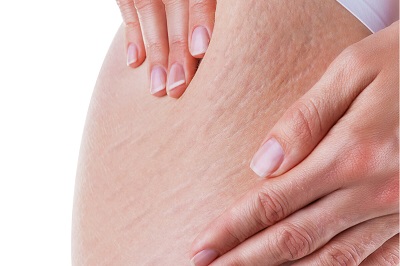
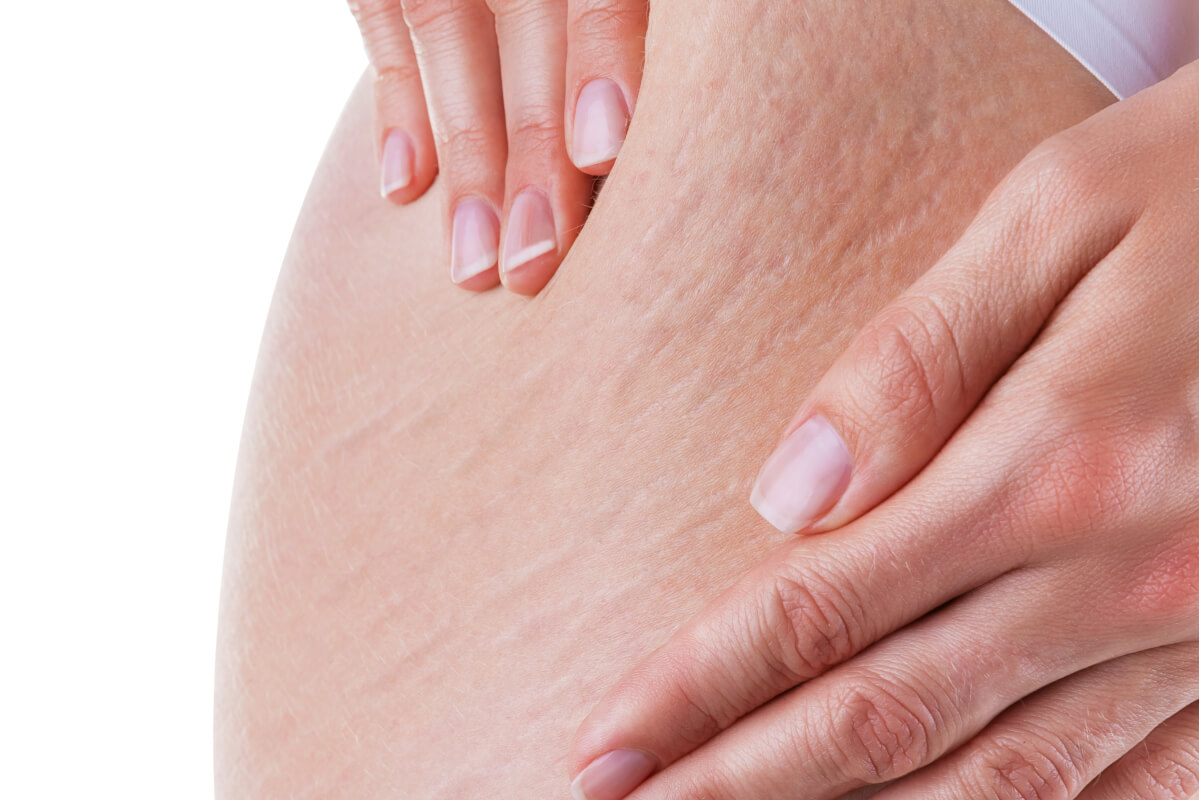
Stretch marks appear when the skin is stretched too strongly, too quickly. They often occur on the tummy in pregnancy, on the back during a teenage growth spurt, after muscle-building training or with weight gain. Stretch marks are essentially little tears or scars in the skin. As with any scar, it's likely that they won't disappear completely, but Eudelo can offer a treatment to make them much less visible.
Carboxytherapy
We treat stretch marks with carboxytherapy. That means that we superficially inject tiny amounts of carbon dioxide gas (CO2) directly into the stretch mark with a tiny needle. The injected medical CO2 gas makes your skin 'think' there is an oxygen deficit and it responds by increasing blood flow to the skin and regeneration of tiny blood vessels in the skin. This will with time allow more oxygen and nutrients to reach the skin, which leads to improved elasticity, skin regeneration and tissue remodeling.
Carboxytherapy is not a one-off treatment, but needs to be performed six to twelve times, each two to four weeks apart.
WANT TO SEE HOW WE CAN HELP?
Medical Needling
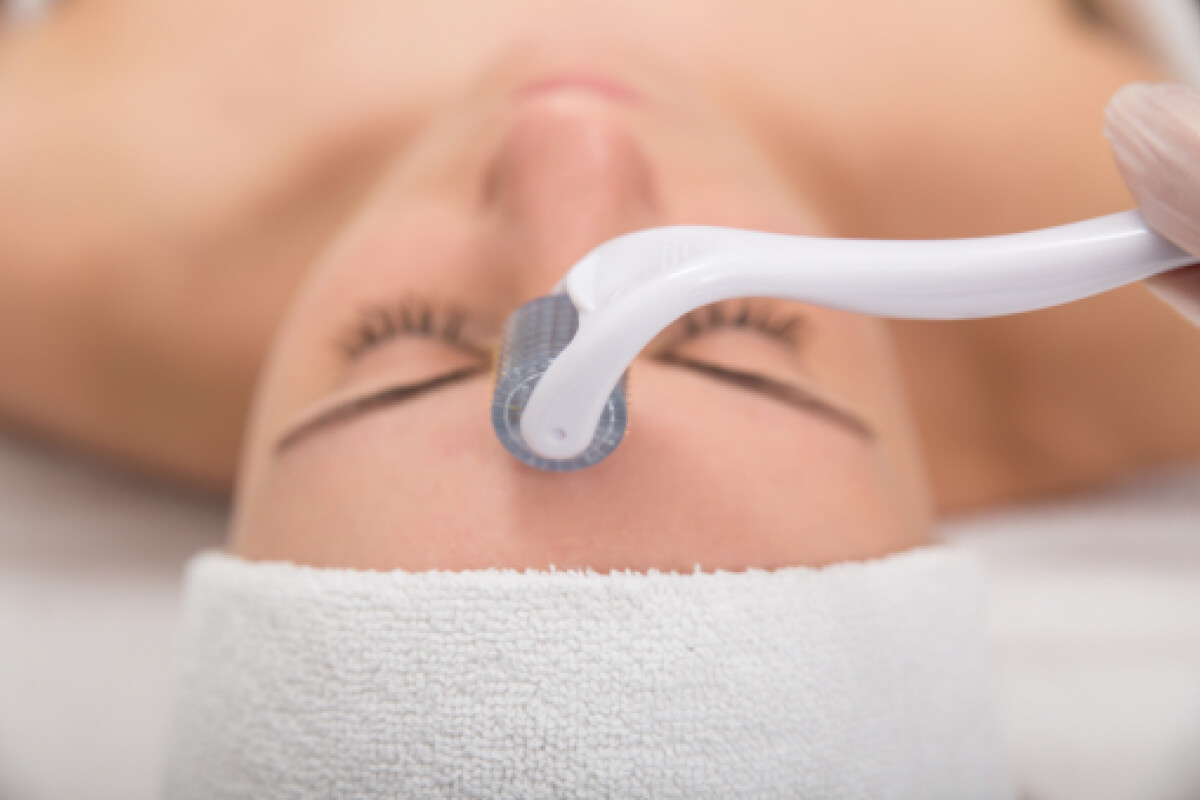
For even better results, carboxytherapy sessions can be alternated with Growth Factor Needling (GF Needling). When moved over the skin, the sterile needle pen's (DermaPen) ultra-fine needles create microscopic punctures in the skin. These intentional, standardized 'injuries' induce thousands of tiny, controlled wound-healing responses, which lead to increased collagen production and tissue remodeling.
In order to further enhance the benefits of medical needling, we recommend combining the procedure with infusion of a Growth Factor solution (GF or PRP Needling), advanced Growth Factor (Exo Needling) or Mesotherapy solution (Meso Needling).
For our Meso Needling treatment, we use a high-grade skin-nourishing blend contains more than 50 key skin optimization ingredients, ranging from vitamins and minerals to amino acids, hyaluronic acid, coenzymes, nucleic acid bases and antioxidants, proven to protect and stimulate skin cells.
For GF / PRP Needling we use a highly effective, sterile solution containing a potent mix of various growth factors, to further encourage collagen and elastin production. The growth factors can be derived from your own blood (PRP, platelet rich plasma) or we use a commercially available growth factor solution, should you prefer this. In any case, the addition will super-boost your needling effects with even better results.
GF / PRP Needling is one of Dr Stefanie's favorite bio-stimulatory procedures – she swears by it for her own skin also!
WANT TO SEE HOW WE CAN HELP?
The Eudelo Soundlift
The Eudelo SoundLift is an amazing treatment package which can lift and tighten skin on the face, neck and chest. At the same time offering the additional benefit of stimulating collagen reduction - essentially regenerating your skin - all without any downtime. The Eudelo SoundLift consists of a unique combination of facial anatomy mapping, a gentle preparatory skin peel, highly effective micro-focused ultrasound lifting with simultaneous ultrasound visualisation, and over-spine cryostimulation as pain relief. All these steps work in perfect concert and are uniquely tailored to meet the exact needs of your skin and comfort. As this treatment is regenerative and aims to stimulate collagen production, patients are also supplied with a box of a high-quality collagen supplement to optimise the regenerative outcome.
You will first attend for a diagnostic session, where one of our highly trained experts will map the SMAS layer (connective tissue surrounding certain facial muscles) using pain-free ultrasound visualisation, so that we can tailor the treatment to exactly fit your individual facial anatomy (everybody is different!). Once the scan is complete we perform a gentle peel to remove the excess horny layer of the skin and even up the skin surface, ensuring that the energy used in later stages of the treatment can penetrate your skin optimally.
On your return visit, the centre piece of treatment will be performed. Firstly you will receive a non-invasive cryostimulation treatment around the spine area to boost endorphin release as a natural adjunct analgesic. Then, using the Gold-Standard Ultherapy® device your therapist will direct micro-focused ultrasound into two very specific facial layers, the SMAS layer and the collagen containing dermis, in order to tighten and lift the skin (MFU, or high-intensity focused ultrasound HIFU).
The Ultherapy® device is the only one that continuously visualises the anatomical layers of the skin during treatment, ensuring the ultrasound energy is delivered to exactly the correct depth, which is of course absolutely crucial. Remember, everybody is different and treating with a lifting ultrasound device that does not allow simultaneous visualisation is negligent in our opinion (it’s shocking to see that some clinics market their MFU/HIFU treatment as Ultherapy® despite using a cheaper copycat device without visualisation!).

5 reasons to choose Eudelo for your cosmetic Treatment
- Specialist medical & aesthetic dermatology team
Our practitioners are highly trained and experienced in treating skin and hair concerns, with medical and aesthetic skin experts all under one roof. - Multi award-winning, CQC registered clinic
Proven track record of success, helping our patients feel happy in their skin with complete piece of mind. - 360° holistic care to support your skin’s wellbeing
We look at your skin in a holistic manner, combining different in-clinic treatments with evidence-based skincare and supplements for best long-term outcomes. - Natural results guarantee
Your aesthetic result will be 100% natural looking – nobody will ever know you accepted a helping hand. - Get started quickly
No wait - our practitioners can be booked often within the same week, and our online call booking service means you can take action today to start your journey.
our Doctors Are Proud Members Of