
Removing Blemishes
"As acne can leave scars, it is very important to get treatment early and not try to fix it yourself with inappropriate over-the-counter remedies."
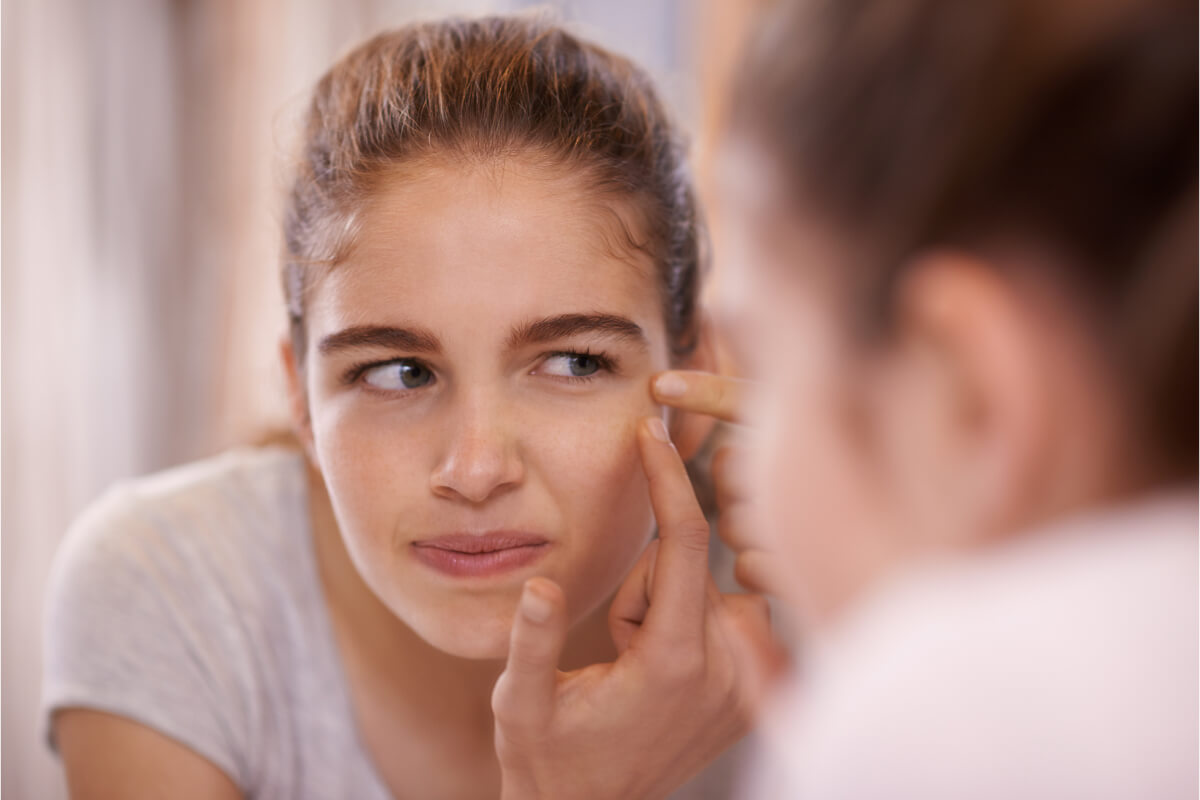






Treatments for Removing Blemishes
A wide variety of benign lumps and bumps can arise on your skin. Common examples are skin tags, warts & verrucas, milia, little vascular lesions such as ´cherry angiomas´(´blood spots´) and pigmented lesions known as seborrhoeic warts. Some people might also have a tendency for ´overgrowing´ (hypertrophic or keloid) scars, which can be very distressing.
Skin tags
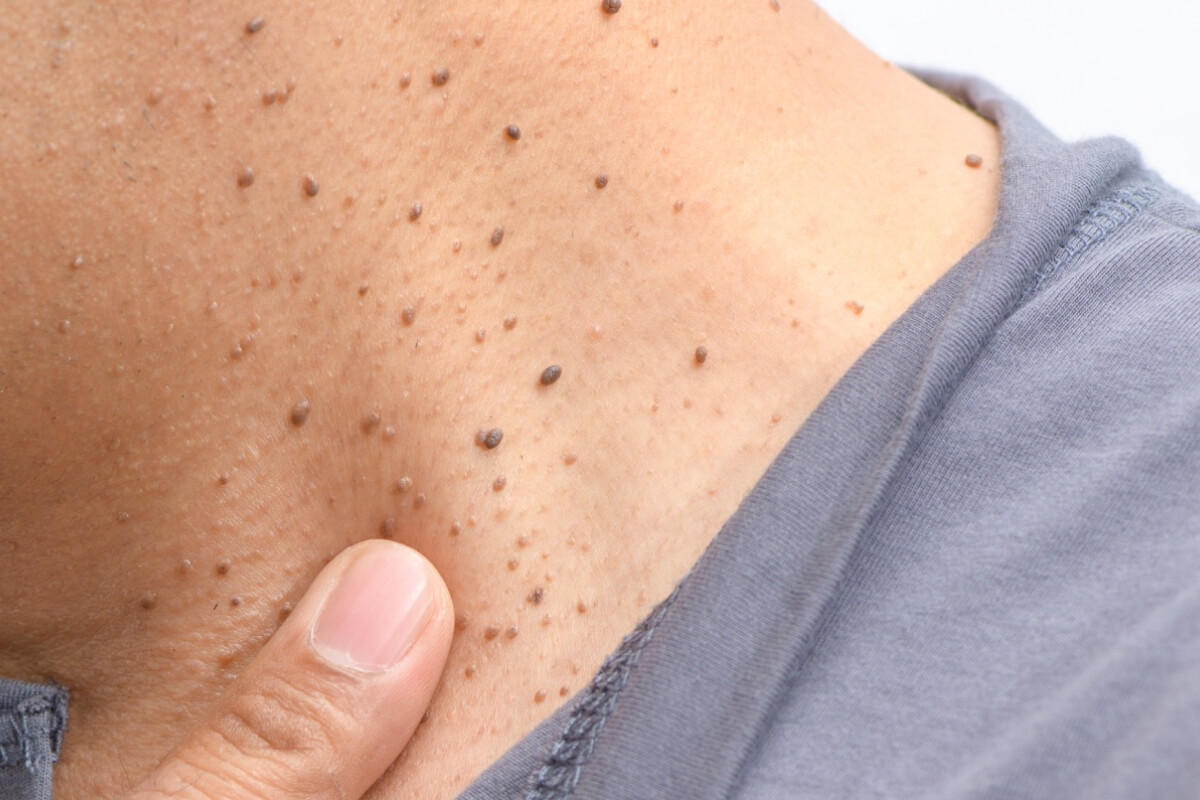
Skin tags (fibromas / papillomas) are very common, harmless little soft skin lesions, which can grow mushroom-like on tiny ´stalks´, often around the neck, face, armpits, groins or other parts of the trunk.
Skin tags can appear individually or in crops of larger numbers and may catch on your clothes or simply look unsightly. They are associated with friction (either skin against skin or clothing against skin) and thus are often found in areas like the armpits, groins, under the breasts and around the neck. Their size may vary from smaller than a tiny grain of uncooked rice, to the size of a pea or larger.
If you wish, we can arrange painless removal of your skin tags. The ideal method for removal depends on their size.
Small to medium sized skin tags (up to the size of a cooked grain of rice) are very quick and straight forward to remove non-surgically with a procedure called ACP (Advanced Cosmetic Procedure using Electrolysis). This is a treatment done by one of our Medical Aestheticians. Simply give our reception a call to arrange your ACP appointment. Please don't forget to ask for numbing cream, when making your appointment, which means that you will come an hour prior to your procedure to have a prescription strength numbing cream applied. This assures that the procedure will be comfortable and painless.
Skin tags above the size of a cooked grain of rice might need surgical removal under local anaesthesia (curettage or 'surgical shave') with one of our doctors. After a swift numbing injection to the area (similar to the dentist), the procedure will be completely painless (in contrast to the dentist…). For this procedure you will need to arrange a minor ops appointment (i.e. a double length appointment) with one of our dermatologists. Simply give our reception a ring on 020 7118 9500 to make your booking.
WANT TO SEE HOW WE CAN HELP?
Blood vessel-related lesions
Sometimes harmless little vascular lesions such as 'cherry angiomas' or 'spider nevi' come up on the skin. Cherry angiomas as also known as 'blood spots' or Campbell de Morgan spots, or sometimes unkindly referred to as ´senile angiomas´). They are very common and appear as bright red, slightly raised blemishes, mostly on the midrift. Most people aged over 30 years have at least one.
A spider nevus (spider angioma) is a centrally dilated blood vessel with smaller capillaries radiating from it like the legs of a spider. They can appear as a single lesion (for example on the cheek) or appear in larger numbers.
Although cherry angiomas and spider nevi are benign, removal for cosmetic reasons can be done by one of our Medical Aestheticians by ACP (´Advanced Cosmetic Procedure using Electrolysis´).
Thread veins (teleangiectasias) are permanently dilated tiny little blood vessels. There are a variety of reasons why you might have these including simple ageing, sun damage and rosacea. They often appear around the nose and on the cheeks. While the tiniest of thread veins might need laser treatment, medium sized teleangiectasias on the face can successfully be treated by one of your Medical Aestheticians with ACP (Advanced Cosmetic Procedure using Electrolysis).
WANT TO SEE HOW WE CAN HELP?
Benign pigmented lesions
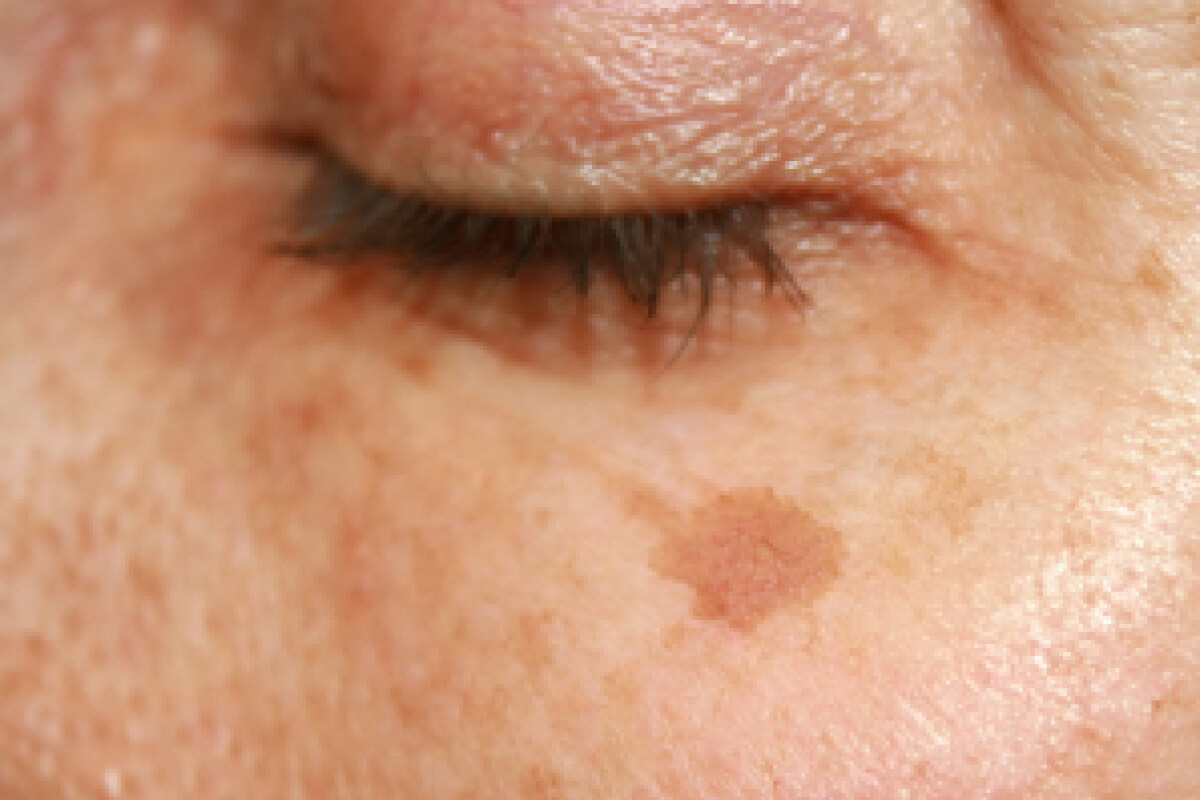
As we get older, many of us will develop ´pigmented warts´ (seborrhoeic keratosis).These often appear on the trunk, sometimes in large numbers, but are also common on the face.Although they are named ´wart´,they are not contagious (unlike viral warts and verrucas on hands and feet).
Seborrhoeic keratosis can be tiny or grow up to two inches across. They have a rough and warty surface ('stuck-on' appearing) and are considered cosmetically unattractive. They may thicken and darken with time.
At times, even for GPs seborrhoeic keratosis can be difficult to distinguish from sinister pigmented lesions such as a melanoma skin cancer. If you have the slightest concern, come and see one of our Dermatologists in clinic for an appropriate diagnosis. They will carry out a thorough clinical inspection and examination under the dermatoscope. A dermatoscope is special magnifying lamp with a polarised light used by Dermatologists.
As differential diagnoses of any pigmented lesion includes dysplastic moles and pigmented skin cancers, accurate diagnosis by a specially trained Dermatologist is important. For further information on this see Moles, Sun Damage & Skin Cancer.
A non-pigmented variant of seborrhoeic keratosis is the so-calledstucco keratosis: small dry grey 'stuck-on' lesions often found on lower legs and feet.
Another variant of seborrhoeic keratosis is Dermatosis Papulosis Nigra. Dermatosis papulosa nigra are multiple raised, brown lesions of 1-5 mm diameter in black skin (more frequent in women than men).
The lesions are very common (about 35% of African-Americans are reported to suffer with Dermatosis Papulosis Nigra). They usually start cropping up in adolescence and then increase in number and size with age. Dermatosis Papulosis Nigra occurs mainly on face (cheeks and forehead), but can also appear on chest and neck.
Even though benign, you might want to remove pigmented lesions for cosmetic reasons (e.g. they're unsightly or they catch on your clothes). Small pigmented lesions (up to approximately 5mm, i.e. the back of a pencil) can be removed with ACP by one our Medical Aestheticians.
Bigger lesions might have to be removed surgically by one of our doctors under local anaesthesia (curettage, i.e. ´surgical scraping´).
WANT TO SEE HOW WE CAN HELP?
Warts & verrucas
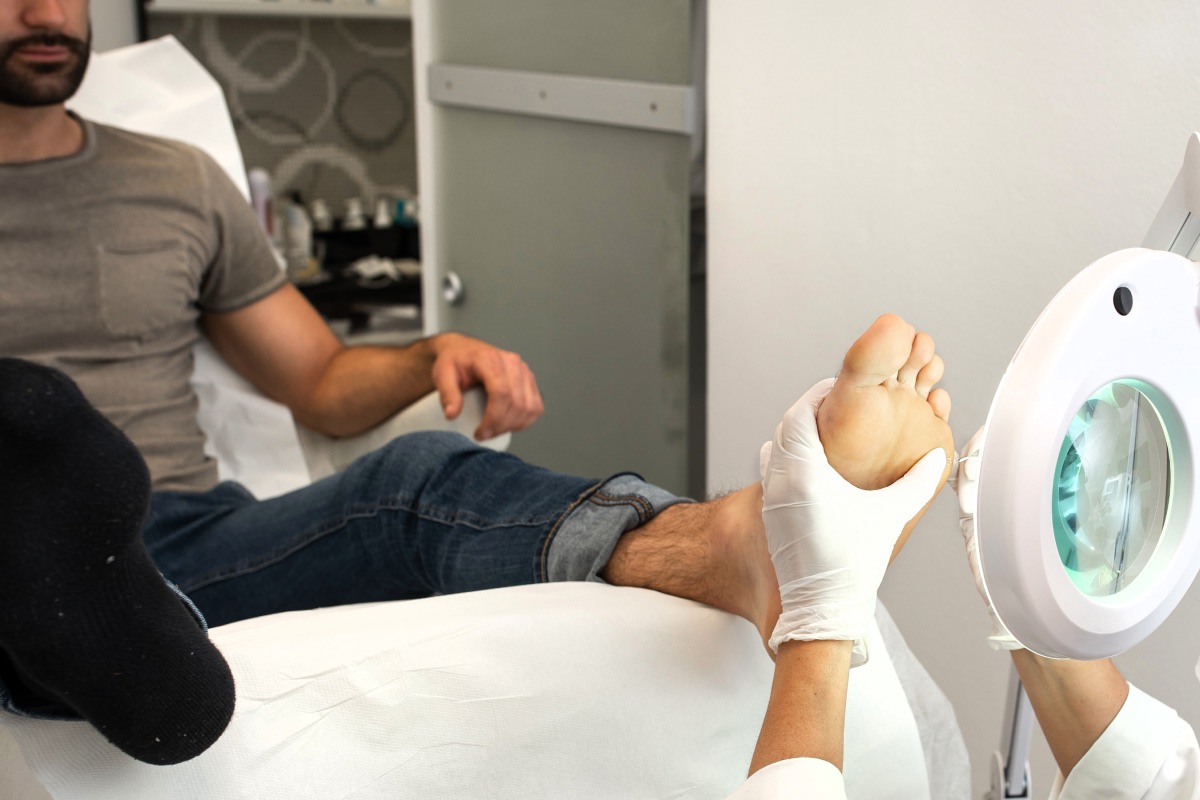
These are benign lesions on the skin, caused by the Human Papilloma Virus (HPV). They can take on a wide variety of different shapes and forms. Examples are ´warty´, rough-surfaced growths on the hands or lesions that tend to merge together and grow inwards on the soles of the feet, which may make walking uncomfortable. All these are of viral nature.
We offer different forms of treatment for viral warts such as clinical 'freezing' (far more powerful than home 'freezing' cans!) and paints containing high concentrations of salicylic and lactic acid. Stubborn lesions might need curettage & cautery ('surgical scraping & electrosurgery') performed under local anaesthesia by one of our doctors.
´Plane warts´ (verruca plana) are tiny flat lesions on the skin. They have a smooth, skin coloured surface and often arise in multiples on face, hands or shins. Plane warts may 'koebnerise', which means that trauma (e.g. scratching or shaving) may lead to spreading from one part of the skin to other parts.
´Filiform warts´(verruca filiformis) are less common.They are long, thin lesions coming out of the skin like a tiny hanging twig. They are skin coloured and often appear on the face.
Plane and filiform warts are easy to remove with ACP. Just call our reception to arrange an appointment with one of our Medical Aestheticians.
WANT TO SEE HOW WE CAN HELP?
Sebaceous Hyperplasia (´overgrowing oil glands´)
Sebaceous hyperplasia are enlarged oil glands found on the forehead or cheeks of adults. Sebaceous hyperplasia appears as yellowish lesion of 1 - 3 mm in diameter. Examination with a magnifying glass reveals a central 'pore' (hair follicle) surrounded by yellowish lobules.
Sebaceous hyperplasias are benign and harmless, but can be difficult to be distinguished from a basal cell carcinoma skin cancer. Correct diagnosis by a specially trained Dermatologist is therefore important.
Improvement can be achieved with certain prescription creams. For more complete removal, ACP with one or our Medical Aestheticians or cryotherapy (´freezing´) with one of our Dermatologists should be arranged.
WANT TO SEE HOW WE CAN HELP?
Removal of milia
(´milk spots´)
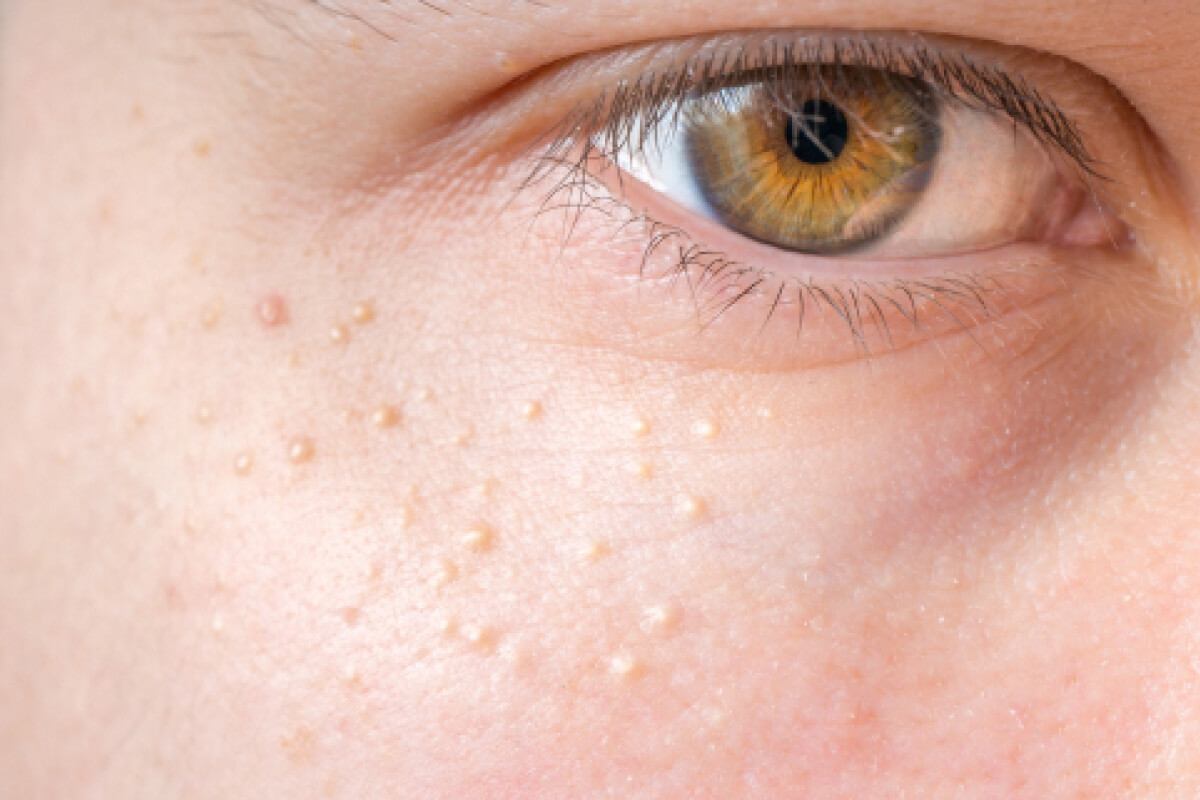
Milia are harmless, very common lesions affecting all ages. They appear as small, deep seeded, white, hard bumps on the face, often on the upper cheeks and around the eyes.
Milia are tiny, superficial cysts filled with keratin material (skin protein), not pus as it might appear. They can appear individually or in large numbers and although they are benign and have no other symptoms, patients often request their removal for cosmetic reasons.
Milia will come out much more easily, if your skin has been pre-treated and softened prior to the extractions. For that reason, please book a Fit Skin ForeverTM Facial, within which one of our Medical Aestheticians can easily and painlessly remove most facial milia. Depending on the number of milia you have, you might need more than one session.
WANT TO SEE HOW WE CAN HELP?
Treatment of scars
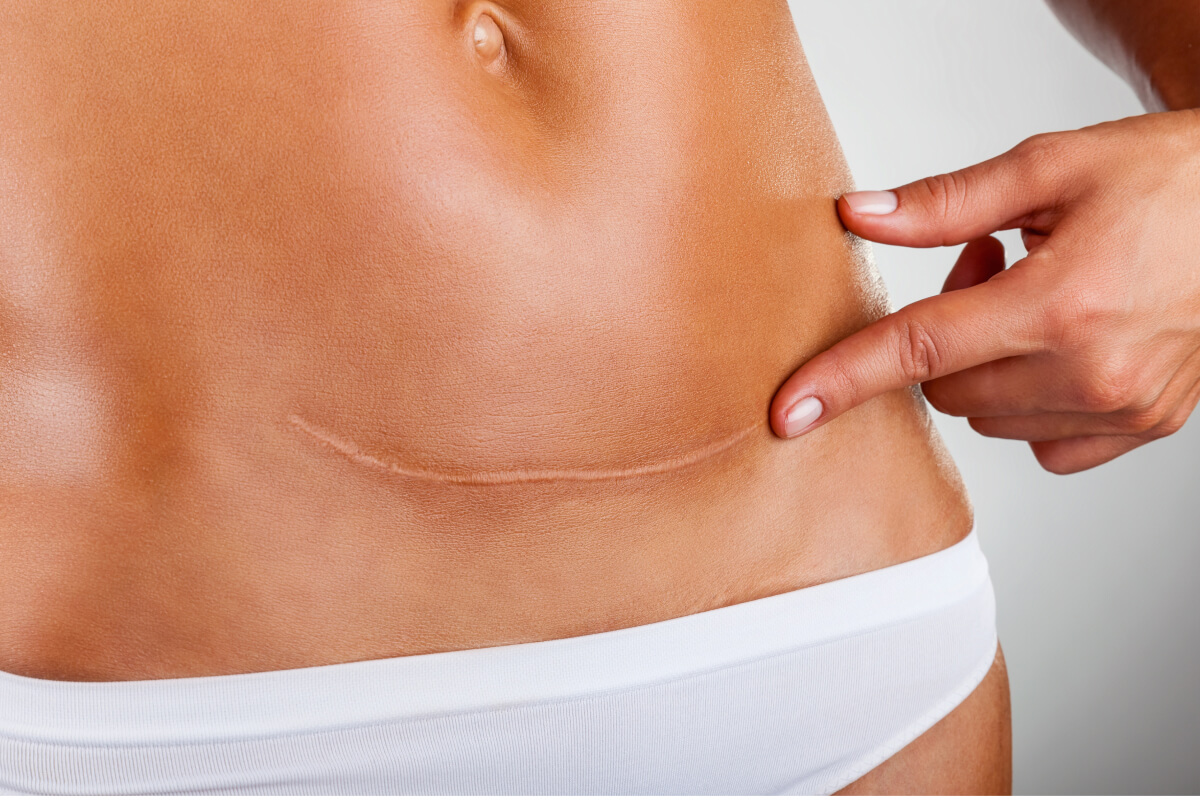
Some people develop raised, 'overgrowing' scars (hypertrophic scars or keloids) after operations, trauma or even minor inflammations arising from folliculitis or acne
The earlier these are treated, the better the chances of a good treatment outcome. As with any scar, they won't disappear completely with treatment. However, in most cases we can significantly improve their appearance. A common treatment for 'overgrowing' scars is repeated injections with steroid solutions plus topical home treatment. This is done by one of our Dermatologists.
WANT TO SEE HOW WE CAN HELP?
5 reasons to choose Eudelo for your cosmetic Treatment
- Specialist medical & aesthetic dermatology team
Our practitioners are highly trained and experienced in treating skin and hair concerns, with medical and aesthetic skin experts all under one roof. - Multi award-winning, CQC registered clinic
Proven track record of success, helping our patients feel happy in their skin with complete piece of mind. - 360° holistic care to support your skin’s wellbeing
We look at your skin in a holistic manner, combining different in-clinic treatments with evidence-based skincare and supplements for best long-term outcomes. - Natural results guarantee
Your aesthetic result will be 100% natural looking – nobody will ever know you accepted a helping hand. - Get started quickly
No wait - our practitioners can be booked often within the same week, and our online call booking service means you can take action today to start your journey.
our Doctors Are Proud Members Of